

Witch-Level Precision, Human-Level Delivery
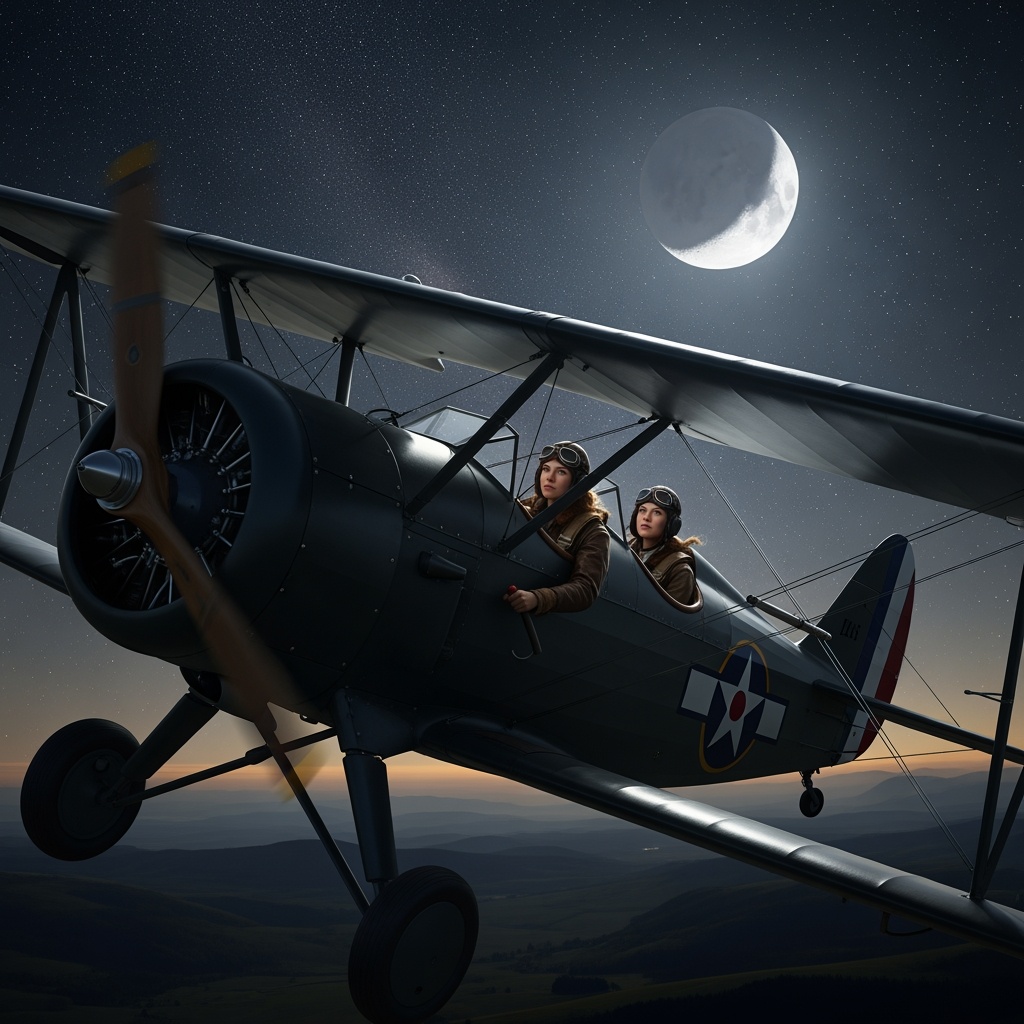
What the Night Witches and modern AI can teach us about getting it done without losing our edge
In the early 1940s, during World War II, a squadron of young women flew plywood biplanes into the night sky to fight Nazi forces. No radar. No modern instruments. No cockpit heat. Just open air, freezing wind, and a target they damn well intended to hit.
They weren’t flying for glory. They flew because the war needed doing, and no one else was stepping up fast enough.
Yes, they were technically part of the Russian response, but they were barely trained, badly equipped, and far too young to be doing what they did. But they did it anyway. Night after night. In the dark. With enemy searchlights sweeping the sky and anti-aircraft fire chasing them home.
The Nazis called them Night Witches.
When a canvas-winged plane glides out of the dark and drops bombs in your lap, you don’t call it cute. You call it witchcraft.
They flew multiple sorties a night — sometimes up to 18 on the busiest nights. Their cockpits were open, the wind brutal, and some nights were so cold frostbite was a real risk. They navigated with maps and compasses. They often didn’t carry parachutes because the flights were too low for them to help, and the weight was better spent on bombs.
It wasn’t elegant. It wasn’t safe.
But it got the job done.
We’re not flying combat missions, but the pressure’s real, and so are the stakes.
You don’t need a perfect plane. You need a mission, a glide path, and the nerve to fly in the dark.
That’s where AI comes in. Not as a miracle, but as a multiplier. It won’t replace judgment or skill. But it will cut the noise, guide your glide, and help you focus fire when the stakes are high and the margin for error is nonexistent.
Like any new tool, AI used without judgment becomes noise. The key isn’t to automate everything — it’s to amplify what matters.
The Night Witches remind us:
- You don’t need perfect tools. You need sharper tactics.
- You don’t need permission. You need principles.
- You don’t need to wait. You need to move.
Even the Night Witches began with one woman who refused to wait for approval. Major Marina Raskova, a record-breaking aviator often called the “Soviet Amelia Earhart,” fought for their creation — persuading Stalin himself to authorize anall-women aviation regiment when no one else believed it possible.
She didn’t break the rules; she rewrote them.
That’s not rebellion. That’s leadership.
The same applies to AI today. Bold doesn’t mean reckless. It means asking better questions, building better systems, and pushing through inertia when the mission demands it.
AI isn’t going to save you. But it can keep your hands warm while you fly missions in the dark again and again. The job still needs doing. The map’s still a mess.
The client still expects delivery. The chaos isn’t going anywhere.
And if a group of freezing young women in flying plywood could pull off the impossible in 1943, we’ve got no excuse in 2025.
Let’s fly.
Inspired by the story of the 588th Night Bomber Regiment — aka the Night Witches. Learn more at Wright Museum of World War II.


